Hotel, Airbnb and Rental Biohazard Cleanup
Biohazard cleanup addresses Airbnb accommodations, hotels and other rental units.
See hotel, airbnb and rental biohazard cleanupRemove bodily fluids, human waste, sharps, contaminated contents and persistent odor from a rental in Cambridge Woods after legal access is confirmed. Ordinary debris and personal property are separated from biohazard cleanup.
Eviction biohazard cleanup is a controlled process that clears affected materials and biological contamination from a vacated rental. It then covers cleaning, disinfection when required and eliminating the odor source.
An apartment cleanout alone is not enough for these conditions. Standard hauling may be suitable for furniture, boxes and household trash. Human waste, needles, bodily fluids, spoiled items and heavily affected contents need their own safety plan. Your scope should mark the affected space, shield nearby areas and separate hazardous material from ordinary debris.
The condition under the visible clutter matters. Urine can reach carpet padding and subfloor. Feces can contaminate floors, fixtures and belongings. Sharps may be hidden in bedding, bags or drawers. A biohazard cleaning service checks these pathways before removal starts, then identifies which hard surfaces can remain and which porous materials cannot be fully cleaned.
You receive a breakdown of documentation, property sorting, ordinary waste, contaminated materials, cleaning, disinfection, odor treatment and future repairs.
Using protective gear, needle containers and designated work and removal areas helps avoid hazardous waste contact and keeps surrounding areas clean.
The risk of an early disposal error falls when approved waste is separated from belongings that must remain, enter storage or wait for your decision.
Workers arrive in unmarked vehicles. Loading routes and work zones can be planned to reduce unnecessary attention from neighbors and other residents.
You may need eviction cleanup when a previous tenant has left a condition that routine cleaning or ordinary trash removal cannot address. Examples include:
Waste, food residue, bodily fluids or contaminated belongings cover floors and fixtures, making it unsafe to begin a normal rental turnover.
Before new flooring, paint or other restoration services, the source of persistent smells from waste, urine or porous residue requires attention.
Workers cannot safely hand-sort loose debris, furnishings, bedding or bags when broken glass and needles may be concealed among them.
Contamination inside one apartment could be tracked into a hall, stairwell, elevator or shared utility area if work zones and removal paths are not controlled.
Before technicians arrive, protect the existing condition, make sure entry is allowed and prevent people from approaching possible contamination. Start with these actions:
Call (888) 440-9227A separate cost range for eviction biohazard cleanup does not appear in published guides. General guides offer context only. One gives a typical national range of $3,000 to $5,000 and a residential average that runs from $1,800 through $4,500; a different guide places most residential jobs at $2,500 to $8,000. Use these figures only as general context. They do not set a price for your eviction cleanup. Affected rooms, contaminants, material types, sorting work and disposal needs determine the cost.
These ranges come from published national cost guides, not from a site visit. You learn what your property will cost after the on-site assessment and before any work begins.
Ask about cost: (888) 440-9227Insurance may cover some eviction cleanup costs if a covered event caused the damage. Your policy may address tenant-caused damage, contamination that developed gradually, normal cleanout work and repairs in different ways.
Retain dated photographs along with move-in records, required notices, receipts and details of the cleanup work. Ask a local housing specialist which notification and security deposit rules apply to the property.
Ask which cause of loss applies, what evidence the adjuster needs, whether removal can begin and how the deductible and policy limits affect payment.
The lease, local requirements, court orders and documented condition can affect responsibility. Do not delay restricting a hazardous space while resolving who will pay.
Report damage before any non-urgent removal. Confirm whether biohazard cleanup, personal property, damaged construction materials, smell removal and restoration are within the policy.
Each situation varies, but eviction biohazard cleaning moves through an ordered process. Legal entry and documentation are addressed first, then belongings, normal debris and contamination are separated before sanitation starts:
You confirm authority to enter and identify any tenant property restrictions. During the first walkthrough, room conditions are documented while protected belongings remain undisturbed.
During assessment, sharps, odor and blocked access are mapped alongside bodily fluids, visible waste and affected areas. The work plan distinguishes biohazard remediation from routine property cleanout tasks.
Designated removal paths and contained work spaces limit effects on surrounding areas. Protective equipment is selected for the materials present, and shared halls or entrances are kept clear.
Belongings with notice and storage obligations are kept apart. With your choices confirmed, sorting divides ordinary refuse, contaminated materials and belongings that can be cleaned.
Removal of unsecured waste follows a set order. Puncture-resistant containers receive sharps, while regulated materials are packaged for the disposal method required by applicable rules.
Cleaning comes before disinfecting exposed, solid surfaces. Appropriate surfaces receive an EPA-registered disinfectant, which is left for the complete labeled contact period.
The odor search extends beneath carpeting and into floor padding, cabinet areas, wall edges and the subfloor. Removal of odor-causing material precedes targeted treatment or HEPA filtration when either step is needed.
You inspect cleaned spaces, discarded materials and repairs that are still necessary. Restoration services, such as new flooring, painting and pest treatment, may be arranged afterward on their own schedules.
Call any hour. You speak with an eviction and tenant Move-Out biohazard cleanup specialist who outlines the process and schedules a start time with you.
Bodily fluids, unsafe footing, particles in the air and sharps hidden from view can put you at risk in a contaminated rental. An assessment should happen ahead of entry by ordinary cleaners or maintenance workers.
Floor padding, fabric furniture, drywall, unsealed wood and carpet can take in urine or other fluids. Contamination inside an absorbent material remains beyond the reach of a surface wipe.
Broken glass, lancets and needles may be out of sight in bedding, clothing, bags or furniture drawers. You can suffer a puncture injury by reaching into clutter without looking or by compressing a bag.
Housing plans, money and personal relationships can all be affected by a difficult move-out. A room-by-room plan helps you separate urgent safety decisions from later choices about repairs and personal property.
Can you clean it yourself? A limited new spill on an impervious, sealed area can sometimes be cleaned using the correct product and gloves. Begin by cleaning visible material, and follow with an EPA-registered disinfectant that remains for its labeled contact time. Professional cleanup is appropriate when contamination is widespread, mixed with sharps, hidden by clutter or absorbed into porous materials.
Eviction biohazard cleaning does not have a set timeline. Work can progress faster when access is clear, the affected area is limited and property choices are settled. Multiple rooms, belongings in storage, concealed contamination and material removal can extend the work into stages.
| Scene | Typical time on site |
|---|---|
| Limited work in one area with open access | An initial evaluation establishes the work schedule |
| Multiple areas requiring sanitation and property sorting | The job may proceed through separate stages for sorting, waste removal and sanitation |
| Repairs after biohazard cleaning throughout the property | Cleanup timing and restoration timing are planned separately |
Eviction odor work begins with locating its cause. Padding, subfloor, cabinet surfaces and wall edges may be affected by urine, feces, spoiled contents or contaminated carpeting. Adding fragrance only conceals the smell for a while and does nothing to remove contamination or account for a returning odor.
After source removal, cleanable surfaces are washed and disinfected where appropriate. HEPA vacuuming and air scrubbers can reduce particles during professional cleanup. Persistent odor may require another inspection of seams, vents and porous building materials. Ozone treatment, if selected, requires an empty controlled area and should occur only after people, pets and plants leave the treatment space.
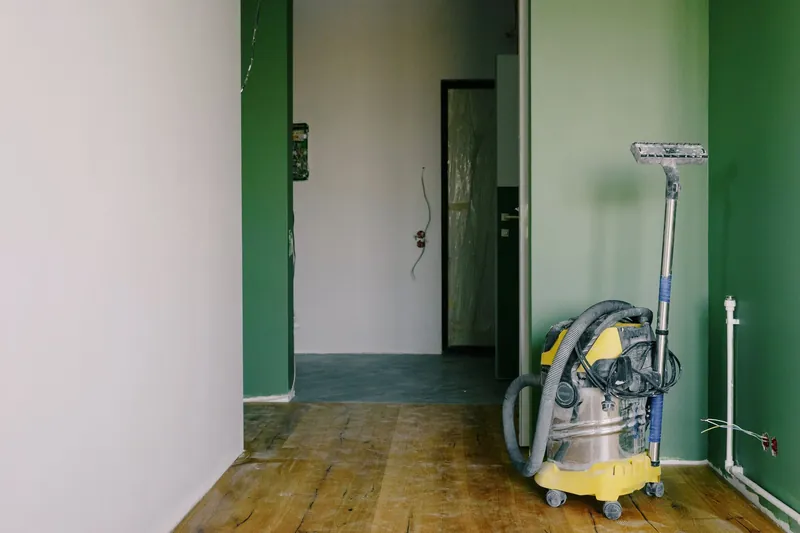
For employee contact with blood from a person or material that may be infectious, the OSHA Bloodborne Pathogens Standard, 29 CFR 1910.1030, requires training, protective equipment and exposure controls.
The chosen EPA-registered disinfectant must suit the organism and material being treated. Keep the area visibly wet throughout the product label's stated contact period.
Wisconsin calls it infectious waste, and items saturated with human blood or body fluids are treated as infectious. The Department of Natural Resources rules control storage, transport and treatment, so it cannot go in household trash.
Do not move or throw away belongings left behind until you have followed local notice requirements, the lease, the court order and qualified local guidance.
The full eviction and tenant Move-Out biohazard cleanup guide covers what is cleaned or removed, odor and air quality work, and the rules that apply in your state.
Read the full eviction and tenant Move-Out biohazard cleanup guide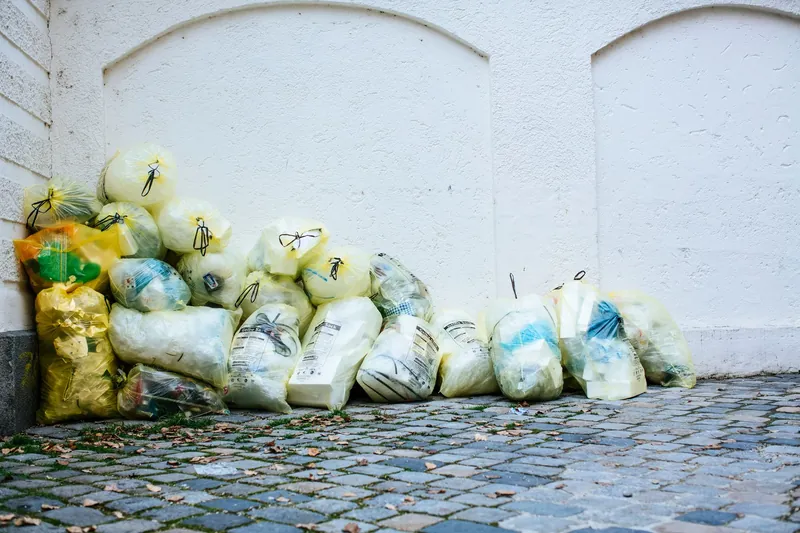
Local population patterns, housing and site access may affect how containment and cleanup are planned.
If direct exposure occurs, the closest listed emergency option is Ascension Columbia St Marys Hospital Milwaukee, about 0.4 miles away, not the cleanup site.
Nearby communities include Riverwest, Upper East Side, and Downer Woods, useful geographic references when explaining a property location to a cleanup crew.
A neighborhood address can differ from its broader city label, making the full street and unit information important for discreet cleanup access.
You can ask about cleanup in nearby communities and ZIP codes during the call.
Biohazard cleanup addresses Airbnb accommodations, hotels and other rental units.
See hotel, airbnb and rental biohazard cleanup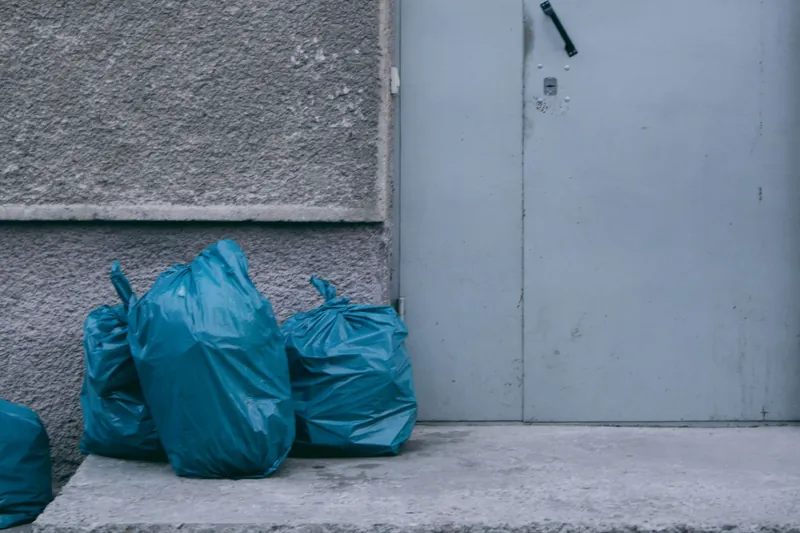
Filth and squalor cleanup for homes that have become unsafe to live in.
See filth and squalor cleanup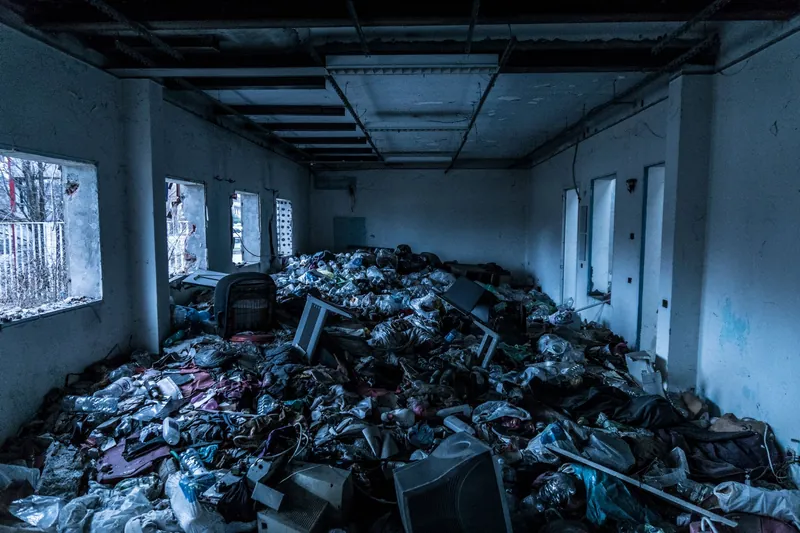
Respectful sorting, item removal and deep cleaning are included in hoarding cleanup.
See hoarding cleanup
Human feces cleanup and disinfection in homes, rentals and public restrooms.
See human feces cleanup
Floors, underlying subfloors and furniture receive urine cleanup with odor removal.
See urine cleanup
Needles and other sharps are removed from rentals, yards, encampments and parks.
See needle and sharps cleanup
Cleanup removes drug residue, pipes and discarded needles from rentals and other properties.
See drug paraphernalia cleanup
Any property receives disinfection after removal of infectious materials, including bodily fluids and blood.
See biohazard cleanupAfter a difficult move-out, eviction or abandonment, rental biohazard cleanup addresses any biological contamination that remains. The contamination may involve bodily fluids, human waste, sharps, belongings and parts of the building. The service separates those hazards from ordinary trash, cleans surfaces that can remain, removes materials that cannot be restored and treats odor at its source.
When the policy includes the cause, it might pay toward cleanup or damage to the structure. Coverage varies for tenant damage, gradual contamination, ordinary maintenance, contents, lost rent and restoration. For non-urgent work, contact the insurance company first, find out what evidence is necessary and clarify whether repair and cleanup are distinct claim parts. You remain responsible for the applicable deductible and coverage limits.
Available published guides give no distinct price range for biohazard cleanup after an eviction. Published guides put typical national biohazard cleanup at $3,000 to $5,000 while residential work averages $1,800 to $4,500 in cost. These ranges are informational and do not price a specific eviction job. Rooms and contamination determine the scope along with sorting, disposal, odor work and removal of affected materials.
Finding the source makes odor removal possible in many cases. Urine can soak beyond carpet and reach padding, cabinets, wall edges or the subfloor. Surface washing and fragrance cannot reach those hidden areas. Some materials require removal when cleaning cannot restore them. Hard areas may receive cleaning and specific air quality work after the odor source is removed. A returning smell generally means the source should be inspected again.
The timeline is influenced by permission to enter, affected rooms, personal property decisions, contamination out of sight and the amount of material removed. A whole rental with obstructed spaces has a larger scope than one open, clearly defined area. Separate stages may be used for sorting, biohazard removal, cleaning and later restoration. After the assessment, request distinct schedules for cleanup and subsequent repair work.
First verify your right to enter and determine what instructions cover the belongings. Keep workers and occupants out, restrict entry to the rental and document what you can from a safe place. Never compress bags, sweep dried material or reach blindly through piled belongings. To match protective equipment and the cleaning process to the site, report bodily fluids, building damage, pests, strong fumes and needles before assessment.
Crews carry out respectful, discreet eviction and tenant Move-Out biohazard cleanup, arrive in unmarked vehicles and take calls 24 hours a day.